By the time a television series hits its fifth season, the expectations for Character Arcs & Development (Season 5) are sky-high. Viewers have invested years in these fictional lives, growing with them through triumphs and heartbreaks. The challenge for creators? To deliver evolution that feels both fresh and authentic, building on years of established personality without resorting to jarring shifts or, worse, stagnation. It’s a delicate balancing act, and as we saw with a much-anticipated recent series, the results can be a mixed bag of brilliant successes and frustrating missteps.
We’re diving deep into what makes late-stage character development work—and what causes it to falter—using a popular, long-awaited fifth season as our prime example.
At a Glance: Navigating Late-Stage Character Development
- Balance is Key: Season 5 demands a nuanced blend of core personality consistency and significant, believable growth.
- Arcs Evolve: Look for a mix of short-term, immediate challenges and deep, multi-season transformations.
- Relationships Drive Everything: Character dynamics aren't just plot points; they're engines for personal evolution.
- Backstory is Gold: Even late in the game, revealing past details can redefine present motivations.
- Context Matters: Major plot events must visibly trigger emotional and behavioral changes.
- Villains Can Shine: Sometimes, the antagonist's arc delivers the season's most compelling character work.
- Beware Stagnation & Inconsistency: Characters who don't grow or act illogically can disengage viewers.
- Visuals Reinforce: Wardrobe, spaces, and physical changes visually telegraph inner development.
The Season 5 Gauntlet: Why Character Arcs Get Tricky
After several seasons, characters typically feel like old friends. We know their quirks, their catchphrases, their fundamental values. But this familiarity, while comforting, also presents a unique challenge for writers: how do you keep these characters compellingly new without betraying their essence?
Season 5 isn't just another installment; it's often a pivotal point, potentially setting up a grand finale or navigating a narrative peak. The character development here needs to deepen existing traits, introduce new facets, and respond to the accumulated history of the series. It’s about fulfilling promises made seasons ago while still surprising us. This often means carefully orchestrating both short-term arcs, focused on immediate seasonal goals, and long-term arcs that show profound, gradual evolution across the entire series. When done well, it keeps us hooked, emotionally invested, and eager for more.
Mastering the Long Game: Principles for Sustained Character Growth
True character growth, especially in a fifth season, isn't about making a character a completely different person. It's about showing how they evolve in response to their world, their relationships, and their past.
Organic & Believable Evolution
Growth must feel natural, almost inevitable. We expect core traits to remain, but behavior and outlook should subtly shift. Think of it like a river carving its path; the river is still itself, but its course and flow adapt to the landscape. Jarring personality shifts, where a character acts completely out of character without sufficient setup, instantly break the illusion and erode viewer trust. Consistency in their fundamental reactions, even as they change, reinforces authenticity.
The Dance of Evolving Relationships
Relationships are the lifeblood of any long-running series. By Season 5, these dynamics—be they romantic, familial, or platonic—should be well-worn but still evolving. Who holds the power now? Have old wounds healed, or new ones formed? The nuanced evolution of these connections drives both plot and emotional engagement, revealing how characters affect each other and grow (or don't) in response. Consider the enduring friendships in a show like The Next Generation Season 5, where deep bonds formed over years were continually tested and refined, showing how characters learned from each other.
Unearthing the Past: Backstory Expansion
Even after five seasons, there can still be rich veins of backstory to mine. Gradual revelation of past events isn't just filler; it deepens a character's complexity, provides context for present actions, and informs their motivations. Flashbacks, when used judiciously, can visually recontextualize behavior we've seen for years, heightening dramatic tension and offering new insights into why a character is the way they are.
Trial by Fire: Adaptation to Circumstances
No character exists in a vacuum. By Season 5, they've faced numerous challenges. Their ability to adapt, or their stubborn refusal to do so, is a powerful indicator of growth. Major plot events should trigger emotional and behavioral changes, forcing characters to reveal their core traits under pressure and demonstrating their potential for further development. Do they find resilience, or do they retreat?
The Art of Sustaining Interest
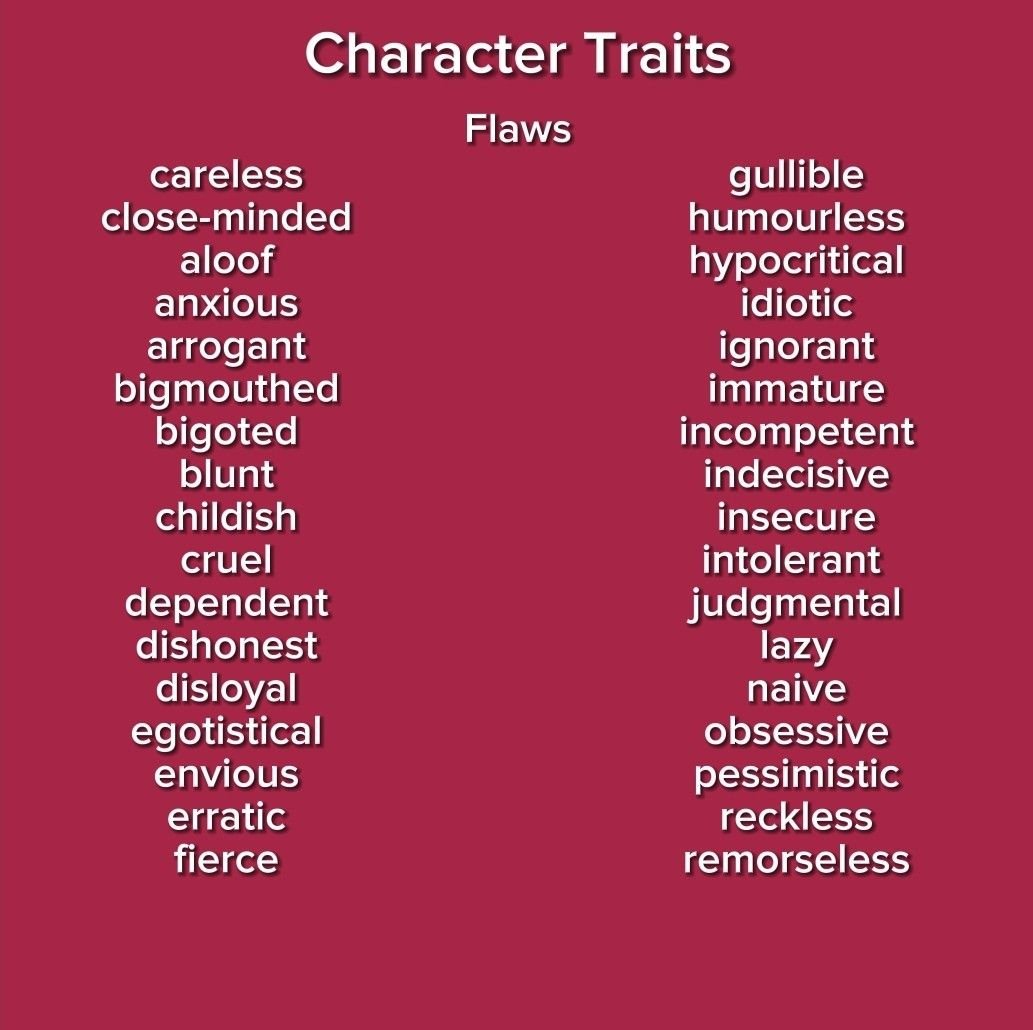
Keeping viewers engaged for five years requires careful thought. While growth is crucial, maintaining some familiar, likable traits helps ground the audience. Flaws humanize characters, making them relatable, and watching them overcome these flaws (or embark on redemption arcs) can be incredibly satisfying. The trick is to prevent stagnation by continuously introducing new challenges, subverting expectations, and exploring unexpected relationships or hidden depths. We want to feel like we're still discovering new things about them.
Beyond the Leads: The Power of Supporting Cast & Psychological Depth
While the spotlight often falls on the protagonists, a truly great Season 5 knows that strong character development extends throughout the ensemble.
Supporting Characters as Narrative Anchors
Supporting characters aren't just there to serve the main plot; they should possess unique arcs and motivations of their own. Their growth, or lack thereof, adds depth and complexity to the overall narrative. Think about how a trusted sidekick might grapple with newfound responsibility, or how a rival might find unexpected common ground with the hero. Their journeys complement the main character's, often pushing them to grow in unexpected ways.
The Intricacies of Inner Worlds (Psychological Complexity)
A character who is merely "good" or "bad" quickly becomes boring. By Season 5, we crave psychological complexity. This means exploring multiple, sometimes conflicting, motivations. What are their internal conflicts? What are their strengths, weaknesses, and hidden vulnerabilities? This realism engages viewers emotionally and intellectually, making us root for them, understand their struggles, and even forgive their mistakes.
Driving the Story: Character-Driven Narratives
Ultimately, the best Season 5 narratives are driven by character decisions and growth. Individual and conflicting goals, moments of inner conflict, and self-realization should directly influence the plot's progression. When the characters' choices feel organic and impact the story, it creates emotionally resonant storylines that avoid feeling contrived.
When It Clicks: Stranger Things Season 5's Character Arc Triumphs
Let's look at a concrete example of a recent Season 5 that had audiences talking: Stranger Things Season 5. After a three-year hiatus, expectations were enormous for its eight-episode return, which culminated in a New Year's Eve finale. While the season garnered a respectable 7.5/10 from one reviewer, it's a perfect case study for character development hits and misses.
Elevated Dynamics: The Heart of the Show
One of the season's strongest suits was its commitment to improved character dynamics. The writers focused heavily on existing relationships and friendships, giving them much-needed screen time and depth. The evolving bond between Dustin and Steve, for instance, continued to be a fan favorite, showcasing genuine camaraderie and growth. Similarly, the father-daughter connection between Hopper and Eleven received significant attention, grounding the fantastical elements of the show in heartfelt, relatable emotions. These interactions felt earned, building on years of shared history and mutual support.
The Villain's Unsettling Depth: Henry's Masterclass
Perhaps the biggest character success of the season wasn't a hero, but the antagonist: Henry (Vecna). His portrayal was universally praised. The grounded reality of his delivery, coupled with a meticulously crafted backstory, elevated him beyond a mere monster. His dialogue was authentic, his scenes immersive, and his ability to convey profound emotion, even in monstrous form, made him a compelling, terrifying, and oddly sympathetic figure. It's a testament to the power of a well-developed villain to anchor a season's character work, proving that compelling arcs aren't exclusive to the protagonists. One standout scene, "Chapter Seven: The Bridge," where Henry confronted his fears in the cave, was noted for being both unexpected and genuinely scary, showcasing the character's profound inner turmoil.
Stumbling Blocks: Where Stranger Things Season 5 Missed the Mark
Even with its triumphs, Stranger Things Season 5 wasn't without its character development stumbles. These moments highlight the pitfalls writers can face when navigating late-stage narratives.
Fumbled Performances & Forced Dialogue
While some dynamics soared, other characters felt underserved. One critique pointed to an "acting downgrade" for certain individuals, with Mike specifically mentioned as showing "almost no emotion." When a main character appears detached or underwhelmed by the intense events unfolding around them, it creates a disconnect with the audience. Compounding this was "bad/forced dialogue." Many conversations felt unnecessary, bogged down by an excess of ill-timed jokes, particularly from Robin. This kind of dialogue can make characters feel less authentic and interrupt the emotional resonance of critical moments, hinting at a lack of consistent, evolving voice.
The Finale's Fizzle: An Underwhelming Climax
A season's finale is the culmination of character journeys. When the final episode feels "basic, rushed, and lacked impact," it can undermine all the prior development. The much-anticipated fight between Eleven and Vecna, for instance, left many viewers unsatisfied. This often suggests that the character arcs didn't build to a sufficiently impactful climax, or that the resolution didn't feel earned after years of investment.
The Glaring Gaps: Plotholes That Jarred
While not strictly character development, glaring plotholes directly impact a character's believability and the consistency of their world. In Stranger Things Season 5, several inconsistencies broke the immersion:
- Upside Down Protection: In earlier seasons (1 and 2), the Upside Down's toxic air necessitated hazmat suits. Yet, in Season 5, characters freely roam without protection. This inconsistency makes their previous actions (and fears) feel arbitrary, reducing the perceived danger and the characters' stakes.
- Henry's Age: Henry is portrayed as having attended high school with Joyce, Hopper, and other parents, yet he's significantly younger and spent much of his childhood in Hawkins National Laboratory. This chronological mismatch undermines his backstory and his relationship to the older characters.
- Holly's Age: Holly, 3 years old in Season 1, should be around 7 in Season 5 based on the established timeline. However, she appeared much older, with showrunners reportedly lowering her age to around 10, still inconsistent. Such discrepancies, even for minor characters, can pull viewers out of the narrative, highlighting a lack of attention to consistent detail that makes characters feel less real.
These issues, while sometimes appearing minor, can chip away at the audience's trust in the narrative, making it harder to invest fully in the characters' journeys.
Visual Language: Character Development Beyond Dialogue
Character development isn't just about what's said or done; it’s also powerfully conveyed visually. By Season 5, subtle changes in a character's appearance can speak volumes. Wardrobe choices, hairstyles, and even physical changes can visually complement and reinforce growth. For example, a character shedding their once-protective, drab clothing for something more expressive might symbolize newfound confidence or vulnerability. Similarly, an evolving living or work space can reflect a character's emotional state or their journey toward self-discovery. These visual cues are a powerful, often subconscious, way to show, rather than tell, a character's ongoing transformation.
The Pacing Puzzle: Managing Growth for Maximum Impact
Balancing audience desires for dramatic change with the narrative's integrity is a constant challenge, especially in a fifth season. Character arcs need thoughtful pacing. This means alternating periods of intense growth with moments of stability. Rushing an arc can make it feel unearned, while too much stagnation can bore the audience. The goal is to maintain believability and engagement without sacrificing the natural rhythm of a character's evolution. Sometimes, the most compelling arcs are those that unfold gradually, with small, consistent changes that accumulate over time.
Crafting Compelling Season 5 Arcs: A Guide for Creators & Viewers Alike
Whether you're a writer aiming to elevate your characters or a viewer hoping for satisfying conclusions, understanding the nuances of Season 5 character development is key.
For creators:
- Revisit Your Foundations: Before drafting, thoroughly review each character's established traits, backstory, and past arcs. How have they grown (or not) since Season 1?
- Map Long-Term Goals: What fundamental truths or philosophies do you want each character to confront or embrace by the end of their journey?
- Pressure Test Relationships: Intentionally put character relationships under new pressures to force evolution. Who needs to reconcile? Who needs to finally confront an issue?
- Inject New Information: Can a new piece of backstory recontextualize old behaviors? This can inject fresh energy into an established character.
- Scrutinize Dialogue: Does every line feel authentic to the character's current state? Are "jokes" truly serving the character and narrative, or are they just filler?
- Don't Fear the Flaw: Allowing characters to stumble or make mistakes (and show consequences) humanizes them and provides further growth opportunities.
- Visualize the Arc: Think beyond the script. How will a character's changing internal state be reflected externally—through their appearance, their environment, their actions?
For viewers: - Look for Nuance: Great Season 5 arcs are often subtle. Pay attention to small changes in dialogue, behavior, and relationships.
- Question Consistency: If a character's actions feel out of place, consider if it's deliberate (a new arc beginning) or a narrative misstep (a plot hole or inconsistent writing).
- Appreciate the Ensemble: Remember that a show's strength lies in its full cast. How are supporting characters influencing the leads, and vice-versa?
- Embrace Imperfection: Fictional characters, like real people, don't always make perfect choices. Their struggles can be just as compelling as their triumphs.
Ultimately, Character Arcs & Development (Season 5) represent a show's maturity and its creators' commitment to their narrative. When executed skillfully, these late-stage developments solidify a series' legacy, delivering unforgettable stories and deeply resonant characters that stay with us long after the credits roll. When they falter, it serves as a powerful reminder of the delicate balance required to nurture fictional lives through their complex, multi-season journeys.