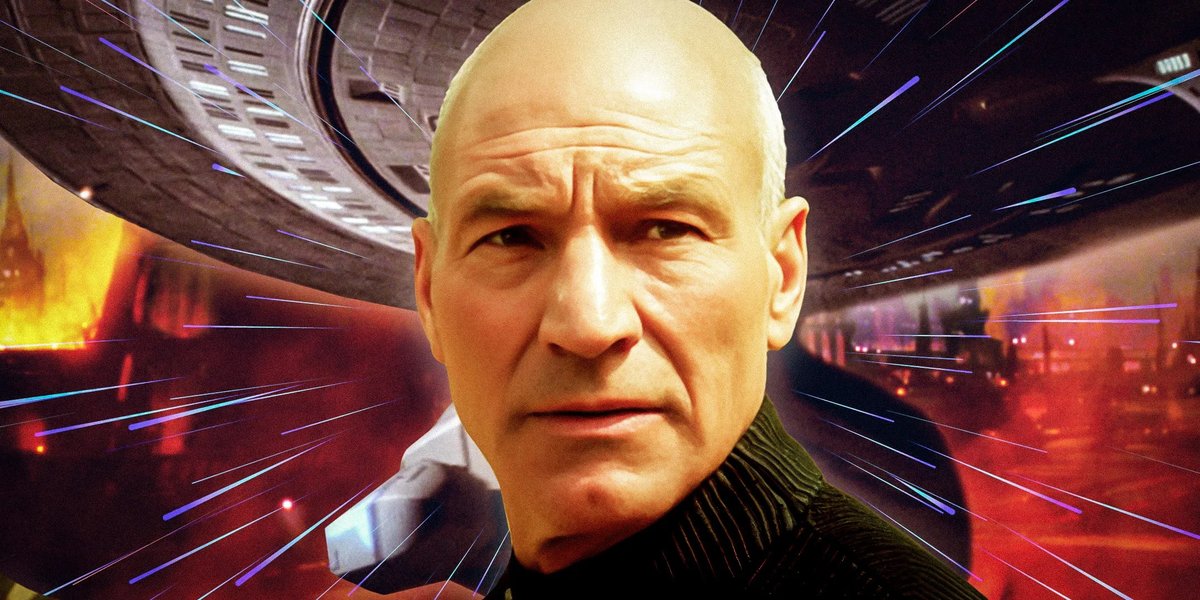
Star Trek: The Next Generation Season 5 isn't just another chapter in the Enterprise-D's journey; it's a pivotal moment that redefined the series, propelling its characters and narratives to new heights. Airing from September 1991 to June 1992, this season stands out for its masterful blend of galactic politics, profound character development, and groundbreaking storytelling, all while navigating the somber reality of creator Gene Roddenberry's passing. Set in the vibrant 24th century, the season thrusts Captain Picard and his crew into a complex tapestry of a Klingon civil war, Romulan conspiracies, and a quest for peace that ripples across the quadrant.
At its heart, Season 5 explores the very essence of diplomacy, identity, and the relentless pursuit of understanding. From the Enterprise becoming an unwitting pawn in a vast intergalactic chess game to Picard and Data embarking on a deeply personal mission to find Ambassador Spock, this season challenges perceptions and expands the boundaries of Star Trek lore. Prepare to delve into a season that's lauded as one of the franchise's finest, an era where the human — and indeed, Vulcan, Klingon, and Romulan — condition is explored with unparalleled depth and nuance.
Navigating the Galaxy's Most Pressing Conflicts
Season 5 of The Next Generation plunges viewers into a whirlwind of high-stakes political intrigue, with Starfleet caught in the crosshairs of a devastating Klingon civil war. The Enterprise-D finds itself entangled in a vast conspiracy, forcing it to confront Romulan machinations and question loyalties. Beyond the immediate threat, Captain Picard and Data embark on a critical, personal journey to locate a mysterious figure attempting to broker peace between the Romulans and Vulcans. This quest leads to one of the most anticipated events in Star Trek history: the return of Ambassador Spock, whose iconic presence on Romulus adds immense weight to the narrative.
The season is studded with unforgettable episodes that explore unique facets of communication, duty, and reality itself. Witness Picard's struggle to understand the metaphoric language of the Tamarians in "Darmok," or his profound experience of living an entire lifetime as an iron weaver in "The Inner Light." You'll also encounter the unexpected arrival of a visitor from the future, Worf's poignant battle with a severe handicap, and a mysterious injured enemy who ignites a debate about the true meaning of peace. For a complete chronological guide and detailed summaries of these essential voyages, you'll want to Explore all Season 5 episodes.
The Evolution of the Enterprise Crew
Beyond the grand cosmic conflicts, Season 5 dedicates significant attention to the intricate personal journeys and profound development of its beloved characters. We see Captain Picard confronting his own prejudices and growth, learning to overcome his initial dislike of children in the wake of a ship-wide disaster, and experiencing emotional depths rarely seen before. Data's quest for humanity takes intriguing turns, especially with the discovery of his own head from 500 years in the past, setting the stage for future mysteries.
The season also introduces new faces and revisits familiar ones, adding fresh dynamics to the crew. Michelle Forbes joins the cast as Ensign Ro Laren, a Bajoran officer whose presence introduces critical discussions about prejudice and identity within Starfleet. Viewers also encounter the shocking reveal of the mysterious Romulan commander as Sela, the daughter of the late Lt. Tasha Yar from an alternate universe, a plot twist with profound implications. Even Wesley Crusher makes crucial appearances, saving the Enterprise from a mind-control device in "The Game" and participating in a cover-up at Starfleet Academy in "The First Duty." To truly appreciate how each individual aboard the Enterprise-D was shaped by these experiences, it’s essential to Master character arcs and development.
Deeper Reflections: Themes and Social Commentary
Star Trek has always been a mirror reflecting contemporary society, and Season 5 masterfully continues this tradition, delving into profound themes that resonate far beyond the 24th century. The season frequently explores the complexities of communication and understanding, most notably in "Darmok," which challenges us to bridge seemingly insurmountable cultural gaps. The search for peace amid galactic strife, as seen in the Klingon civil war and Spock's mission, underscores the enduring hope for diplomacy over conflict.
Identity, memory, and the human condition are also central, from Picard’s deeply personal experience in "The Inner Light" to Data’s ongoing quest for sentience. The introduction of Ensign Ro Laren highlights issues of prejudice and the struggle for acceptance, prefiguring later Star Trek narratives. These powerful narratives offer more than just entertainment; they provoke thought and encourage viewers to consider fundamental questions about our own world. To truly grasp the rich tapestry of ideas woven into these stories, you'll want to Explore Season 5s key themes Dive.
Behind the Scenes: The Making of a Landmark Season
The fifth season of Star Trek: The Next Generation was a period of both incredible creative achievement and profound loss. Tragically, Star Trek creator Gene Roddenberry passed away during its production, casting a poignant shadow over the series. His vision, however, continued to guide the show, inspiring the writers and producers to deliver some of the most memorable and critically acclaimed episodes in the franchise's history. Understanding the creative decisions, the challenges faced, and the sheer ingenuity required to bring these complex stories to life offers a deeper appreciation for the finished product.
From the elaborate set designs for Romulus and the Klingon homeworld to the groundbreaking special effects that brought alien languages and future technologies to life, the production team pushed boundaries. The unique challenges of filming episodes like "The Inner Light," which required creating an entire civilization for a single episode, or coordinating the return of an iconic character like Spock, reveal the dedication behind the scenes. For a closer look at the innovative minds and methods that shaped this extraordinary season, you should Discover Season 5 behind-the-scenes.
The Legacy: Critical Acclaim and Fan Analysis
Season 5 wasn't just beloved by fans; it earned significant critical acclaim, solidifying its place as a high point for Star Trek: The Next Generation and the entire franchise. In 2019, CBR notably rated Season 5 as the third-best Star Trek season across all iterations and the highest-ranked The Next Generation season up to that time. This speaks volumes about its enduring impact and the quality of its storytelling. The season's innovative plots, compelling character arcs, and thought-provoking themes garnered widespread praise, influencing subsequent science fiction television.
Fans and critics alike continue to dissect its many layers, from the philosophical debates sparked by "Darmok" to the emotional resonance of "The Inner Light." The introduction of key characters like Ensign Ro and the resolution of major plotlines, such as the reveal of Sela, have cemented its status as a crucial turning point. The season's ability to balance grand adventure with intimate character moments, all while pushing the boundaries of what Star Trek could be, makes it a perennial favorite. To understand why this season continues to resonate so strongly with audiences and critics, Dive into Season 5 analysis for comprehensive insights and discussions.
As we look back at Star Trek: The Next Generation Season 5, it's clear that it represents a pinnacle of science fiction storytelling. It's a season that not only delivered thrilling adventures but also asked profound questions about humanity, our place in the galaxy, and the constant search for understanding. The legacy of this season continues to inspire, reminding us that the final frontier isn't just about stars and nebulae, but about the depths of the human spirit.